
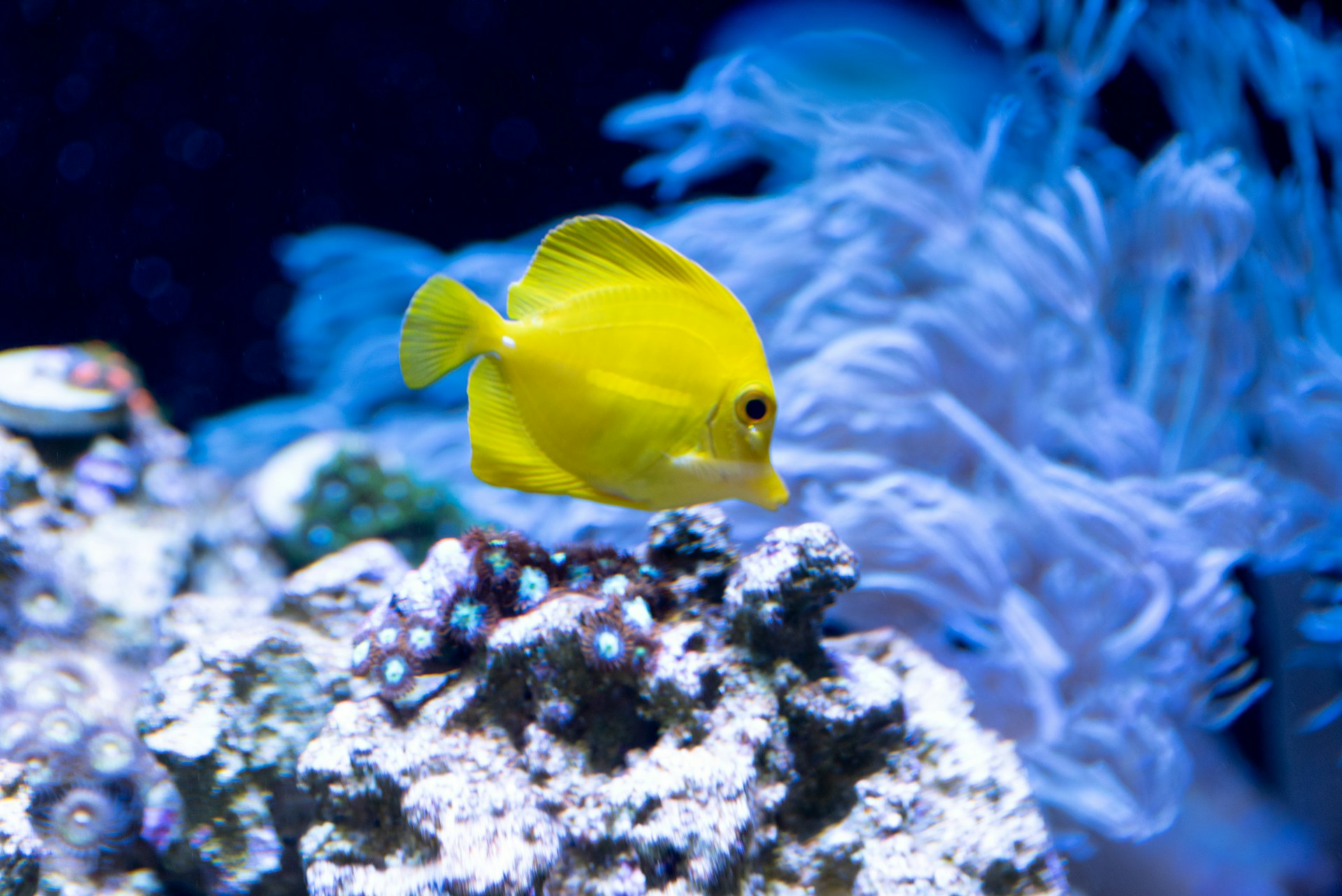
Bringing a thriving underwater world to your living room is no small task, but it’s surely one kind of hobby that you’ll never regret taking up. Reef tanks are a beautiful addition to any home and can be the focal point of your interior decor. But lighting is an essential part of maintaining a reef tank, and there are two main options available: traditional lighting and LED lighting.
In a blog post titled “UWPhotoRing: Your Source for Reef Lighting,” you’ll see why many experts keep mentioning the importance of lighting for your coral growth and the overall environment in your tank. So if you might be thinking about getting traditional lighting after spending too much on the beautiful tank, read on. LED lighting has become the ultimate go-to choice for reef tank enthusiasts all over the world, and you’re about to find out why.
Minimal Heat
Unlike traditional lighting options, such as metal halides or T5 fluorescent bulbs, LEDs generate significantly less heat, creating a more stable environment for your delicate corals and aquatic life. Excessive heat can not only stress out your marine inhabitants but also increase the risk of temperature fluctuations in your tank. LED lights, as long as in its optimal condition, remain cool to the touch even after hours of operation, reducing the need for additional cooling mechanisms like chillers or fans. By minimizing heat output, LED lighting helps maintain consistent water temperatures within your reef tank, promoting a healthier and more balanced ecosystem.
Lower UV Radiation
When it comes to lighting for reef tanks, UV radiation is one key determining factor you can’t overlook. LED lighting offers a significant advantage over traditional lighting in this regard. The lower UV radiation emitted by LEDs ensures that your delicate marine life is protected from potential harm. Too much exposure to UV rays can lead to various health issues for coral and fish in your tank. By opting for LED lights, you are providing a safer environment for your reef inhabitants without compromising on the quality of light needed for their growth and well-being. LED technology allows you to enjoy vibrant and healthy corals without the worry of harmful UV rays causing damage over time.
Precise Control Over the Light Spectrum
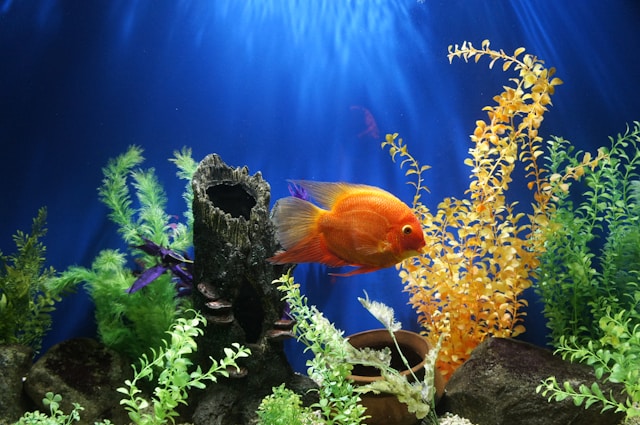
With traditional lighting systems, it can be challenging to achieve the specific spectrum needed for different types of corals. LED lights allow you to customize the intensity and color temperature with ease, providing optimal conditions for your marine life. By fine-tuning the light spectrum, you can create an environment that closely resembles the ocean’s depths, supporting photosynthesis and overall ecosystem balance within your reef tank. This level of control not only benefits the health and growth of your corals but also adds a visually appealing element to your underwater world.
Enhanced Color Rendering
Now, let’s talk about your coral growth. The main issue many reef tank enthusiasts face is coral colors that won’t pop. Lou Ekus of Tropic Marin, in his interview on the BRStv studio YouTube channel, mentioned that this is usually due to the lack of color rendering provided by the lighting. Luckily, LED lighting offers superior color rendition compared to traditional lighting options. The vibrant hues of your coral and fish will truly pop under the precise spectrum control of LED lights. LED technology allows you to customize the light spectrum to bring out the natural colors of your aquatic ecosystem. Say goodbye to dull or washed-out appearances – with LEDs, you can achieve stunning and lifelike visuals in your reef tank. Your corals will exhibit their true beauty, showcasing intricate patterns and vivid pigments that may have been subdued under traditional lighting setups. With LED lighting, you can create a visually striking underwater world that mimics nature’s brilliance in all its colorful glory.
By opting for LED lighting for your reef tank, you are not only providing a safer and more controlled environment for your aquatic inhabitants but also setting yourself up for greater success in maintaining a thriving underwater ecosystem. Make the switch to LED lighting today and experience the difference it can make in illuminating and enhancing the beauty of your reef tank.

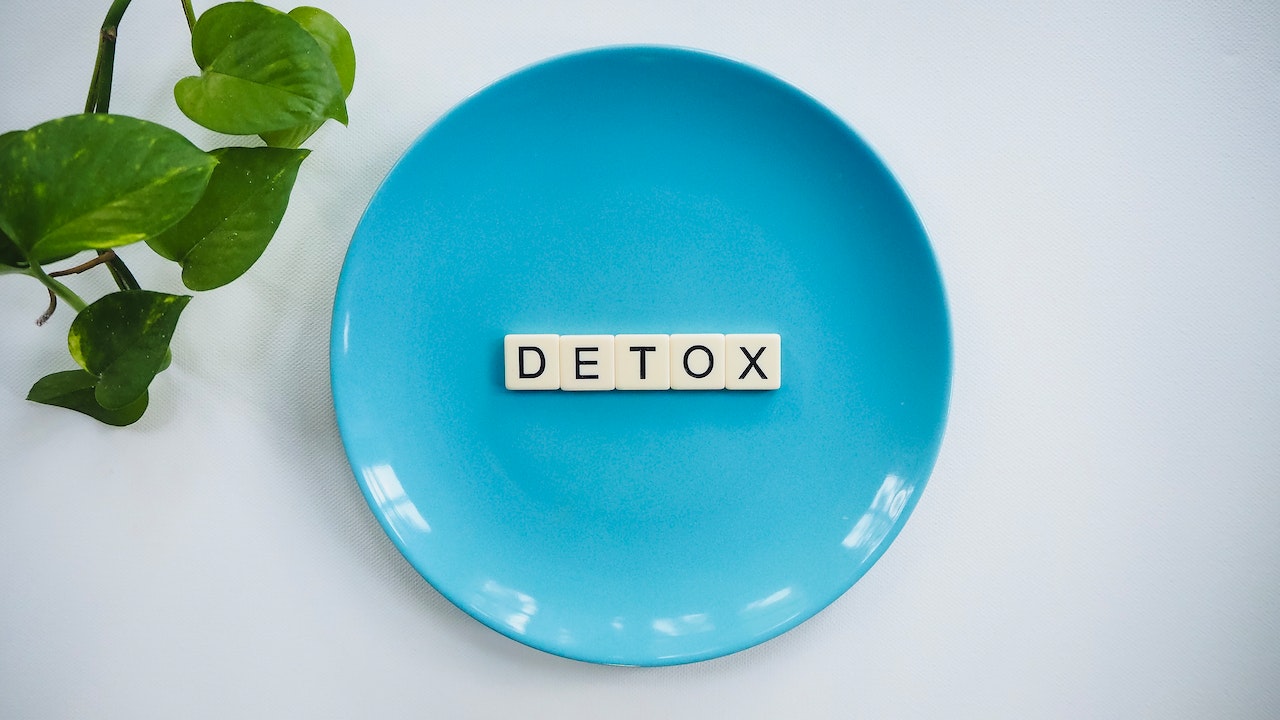
 One of the best ways to detoxify your body is by taking detox pills. These pills can help remove toxins from your body and improve your overall health. There are many different types of detox pills available, so be sure to do some research to find the one that’s right for you. If you want to find proven and reliable detox pills, you should check
  Another great way to detoxify your body is by drinking detox juices. These juices are packed with nutrients and antioxidants that can help improve your health. Powdered juicing kits are available that make it easy to make your detox juices at home. However, if you want to make your own, you can always blend some fruits and vegetables to create a delicious and healthy detox juice. There are many recipes online, so be sure to find one that you like.
 Lastly, the best way to detoxify your body is by eating plenty of fruits and vegetables. These foods are packed with nutrients and antioxidants that can help improve your health. Be sure to eat various fruits and vegetables to get the most benefit. Some fruits and vegetables are known for their detoxifying properties, so be sure to include them in your diet. These include broccoli, kale, carrots, apples, and lemons. One tip is adding lemon to your water, which can help improve your health and detoxify your body.
 TIG welding, or more accurately “inert tungsten gas” (TIG) welding, is a process that uses an electric arc to heat materials and melt them together. It requires non-consumable tungsten electrodes for this purpose because they can withstand high temperatures without melting away. They also ensure that the heat is distributed evenly, which is integral to welding metals. The two most common types of TIG welders are AC, or alternating current, and DC, direct current.
 The major disadvantage is the lack of portability. They are heavier and oversized, which makes them difficult to transport from one place to another. The cords for this machine can also be cumbersome when it comes time to move or store them in a small space, such as a workshop, a garage, or a basement. This is why they are often used in industry but not as common for home use.